Why Your Twenties Are the Real Deadline for Building Bone Density
Bone health gets treated as a concern for decades away, something to think about after menopause or in older age. But peak bone mass is largely locked in by the late twenties, and the density built or neglected during this decade sets the baseline the body draws down from for the rest of life, making it a far more time-sensitive window than most people realize.

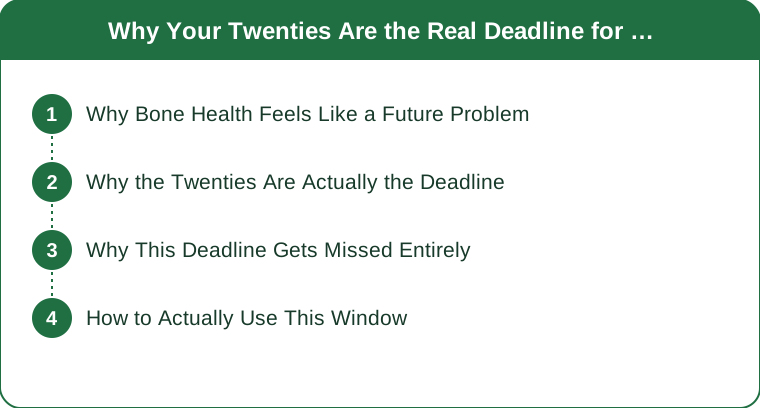
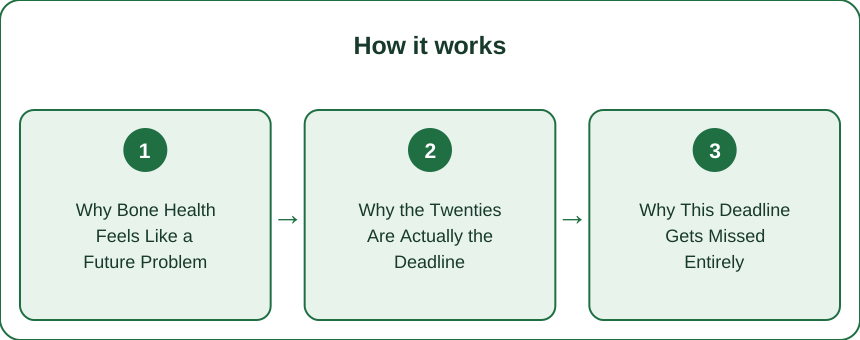
Why Bone Health Feels Like a Future Problem
The delayed-symptom trap: bone density loss producing no visible symptoms until fractures or a diagnosis decades later, which makes it easy to file bone health under ‘later in life’ concerns rather than something relevant right now.
Why the Twenties Are Actually the Deadline
The biological timeline: peak bone mass being reached by roughly age thirty, after which density can be maintained through certain habits but not meaningfully increased, meaning weight-bearing exercise, calcium, vitamin D, and adequate protein during the twenties directly determine the highest point the skeleton will ever reach.

Why This Deadline Gets Missed Entirely
The overlap: bones feeling and functioning completely normally throughout the twenties regardless of whether this building window is being used well, so there’s no physical feedback signaling that a limited-time opportunity is quietly closing.
How to Actually Use This Window
The practical priority: prioritizing weight-bearing and resistance exercise, along with adequate calcium, vitamin D, and protein intake, specifically during the twenties rather than waiting until bone loss becomes a stated medical concern, and the frame (peak bone mass locks in by around thirty — building it deliberately in your twenties is what actually protects skeletal health for the following decades.)
Bone health gets treated as a concern for decades away, but peak bone mass is largely locked in by around age thirty, after which density can be maintained but not meaningfully increased, meaning the habits practiced in the twenties directly determine the highest point the skeleton will ever reach. Bones feel and function completely normally throughout this decade regardless of whether the window is being used well, so there’s no physical signal that it’s quietly closing. Prioritizing weight-bearing exercise, calcium, vitamin D, and protein specifically during the twenties is what actually protects bone health for decades to come.
Keep Reading
This article is for general informational and styling purposes only. Fit, sizing, and product availability may vary.